Founder Story
From Survival to Service
Sober Side Up grew out of lived experience, local need, and the belief that recovery support should be close, honest, practical, and human.
My name is Mickey Rayment, and I created Sober Side Up after surviving a ruptured brain aneurysm in December 2024.
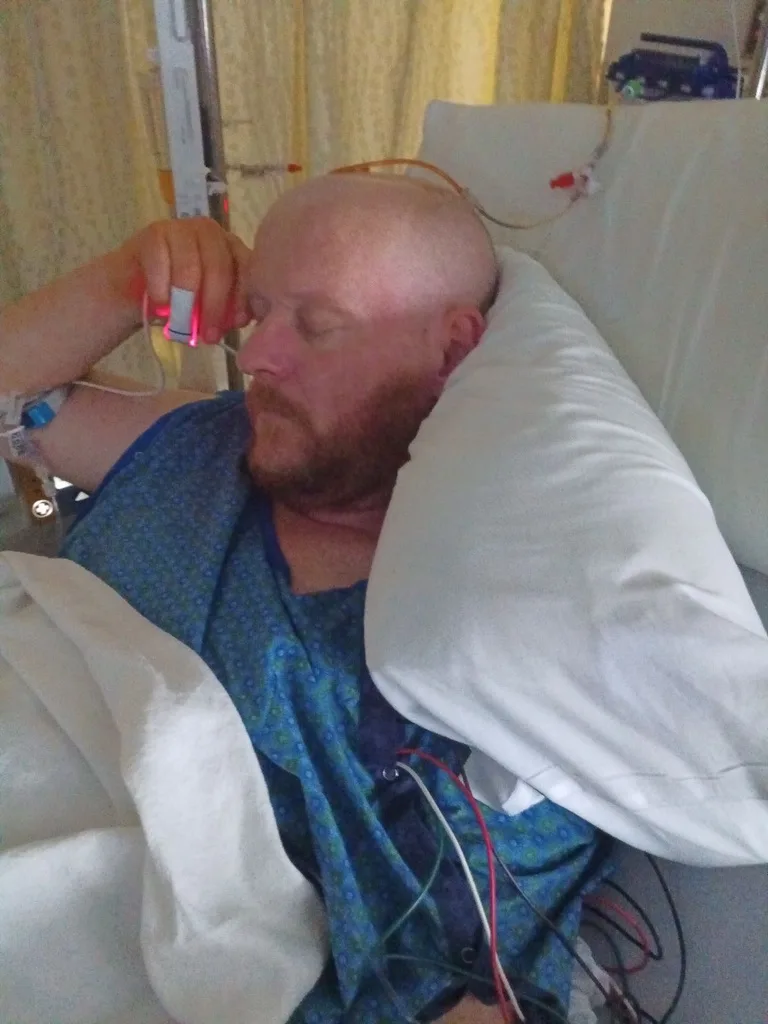
Before that moment, my life had been shaped by addiction, instability, unresolved trauma, and years of running from myself. The aneurysm nearly killed me. I spent 17 days in the hospital and left with memory issues, physical recovery challenges, and the realization that if I survived, my life needed to change direction completely.
While rebuilding my life, I completed substance use and mental health assessments through local recovery services. During that process, I started searching for recovery support closer to home in Elma, Washington, and found almost nothing available locally.
That absence became the beginning of Sober Side Up.
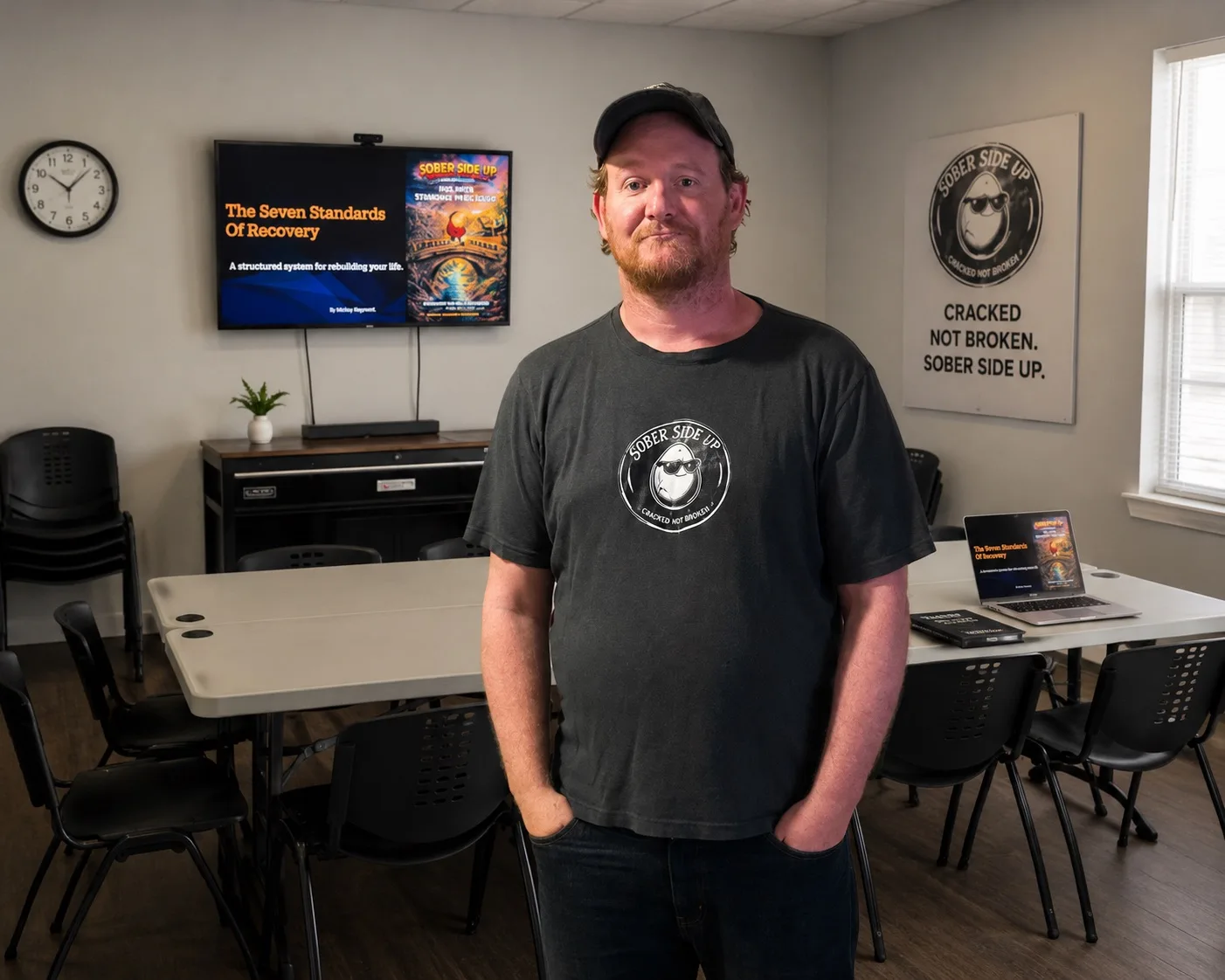
What started as a small peer-led recovery meeting at the Timberland Library grew into something larger: a community-centered recovery project focused on addiction, trauma, grief, emotional healing, accountability, and rebuilding purpose.
Today, Sober Side Up includes weekly peer-led meetings, recovery education tools, structured worksheets, youth materials, books, and the Seven Standards framework, all created from lived experience and a belief that recovery is about more than simply stopping substance use.
It is about rebuilding a life worth staying present for.
Why “Sober Side Up”?
Cracked does not mean destroyed.
The name came from the idea that people are a lot like eggs: fragile, imperfect, and easy to crack under enough pressure.
But being cracked does not mean being destroyed.
That idea eventually became the motto behind everything we do:
Cracked Not Broken. Sober Side Up.
A note about Sober Side Up
Sober Side Up is a peer-led recovery support project built from lived experience. It is not a replacement for licensed medical care, mental health treatment, or emergency services.
Our goal is simple: to create honest, accessible, judgment-free support for people trying to rebuild their lives.